How to Use

1. Introduction

This page provides a comprehensive guide to using the website: how to navigate the site, access features, interact with buttons, explore protected content, access multilingual versions, send feedback, and use external links.

This guide is designed both for first-time visitors and returning users.


2. Navigation and Buttons

  • All buttons lead to dedicated pages.
  • Some buttons (like “View in Index” or “Share to Social Media”) activate specific functions.
  • If a button doesn’t work, the linked page might not be published yet.
  • Buttons appear at the top, bottom, or middle of each page.
  • The “Updates” and “Search” buttons on the homepage direct users to guides, search tools, and site instructions.
  • Clicking on “Alireza Kaveh” next to the main image on any page will return you to the homepage.
  • On mobile devices, a “Categories” button gives access to subfolders.

3. Site Structure

TypeSuggested PathDescription
Biography/bio-834About Alireza Kaveh
Books/booksAll published works
Screenplays/screenplaysOriginal or adapted screenplays
Theories/theoriesFoundational theoretical concepts
Personal GPT/gptAI-based cinematic assistant
Audio Portal/voiceAudio files and conversations
Secure Videos/secure-videoView-only, non-downloadable content
Purchase/buyMethods of obtaining access

4. Secure and View-Only Pages

  • Some content is view-only (e.g., full books or scripts).
  • These pages cannot be saved or downloaded.
  • Such restrictions protect copyright and intellectual property.
  • Access is browser-based only.
  • These pages are marked with a “View-only” label.

5. Multilingual Navigation

  • Main pages are available in both Persian and English.
  • A language switch button at the top lets users switch between available languages.
  • If a page exists in only one language, the other will be added later.

6. FAQ

  • Why can’t some folders be downloaded?
  • How do I use the GPT?
  • How do I become a member or request collaboration?
  • How can I re-publish content?

7. Support and Contact

  • For suggestions, bug reports, or collaboration inquiries, use the [Contact Page].
  • Special support is available for programs or academic collaborations upon request.

8. Submitting Feedback

  • Many pages include a section for submitting feedback.
  • You can share comments on the content or ideas for improvement.
  • Valuable or scholarly feedback may be referenced in future editions or public releases.

9. Sharing to Social Media

  • Below posts, you’ll find buttons to share content directly on platforms like Facebook, Twitter, Telegram, or WhatsApp.
  • Official social profiles are listed on the [Links Page].

10. External Link Hub

The [Links Page] offers verified access to external platforms featuring Alireza Kaveh’s work:

  • IMDb
  • Google Books
  • Google Scholar
  • ORCID
  • Internet Archive
  • YouTube
  • Facebook
  • Other professional repositories

11. Thematic Index

  • For a complete overview of all content, visit the [Index Page].
  • The index includes:
  • A structural list of all website pages
  • An alphabetical index of key terms, people, works, and theories

This resource is ideal for students, researchers, and professionals.

Bio


این درگاه رسمی علیرضا کاوه است؛ جایی برای معرفی کتاب‌ها، فیلم‌نامه‌ها، دیدگاه‌های نظری و ابزارهای سینمایی.


This is the official portal of Alireza Kaveh, featuring his books, screenplays, theoretical projects, and cinematic tools.


فهرست کتابها

علیرضا کاوه پنج اثر تالیفی, یک اثر به‌کوشش, و پنج اثر دردست تالیف دارد.

او در پانزده اثر با همکاری حاضر شده است.

فهرست آثار مکتوب علیرضا کاوه

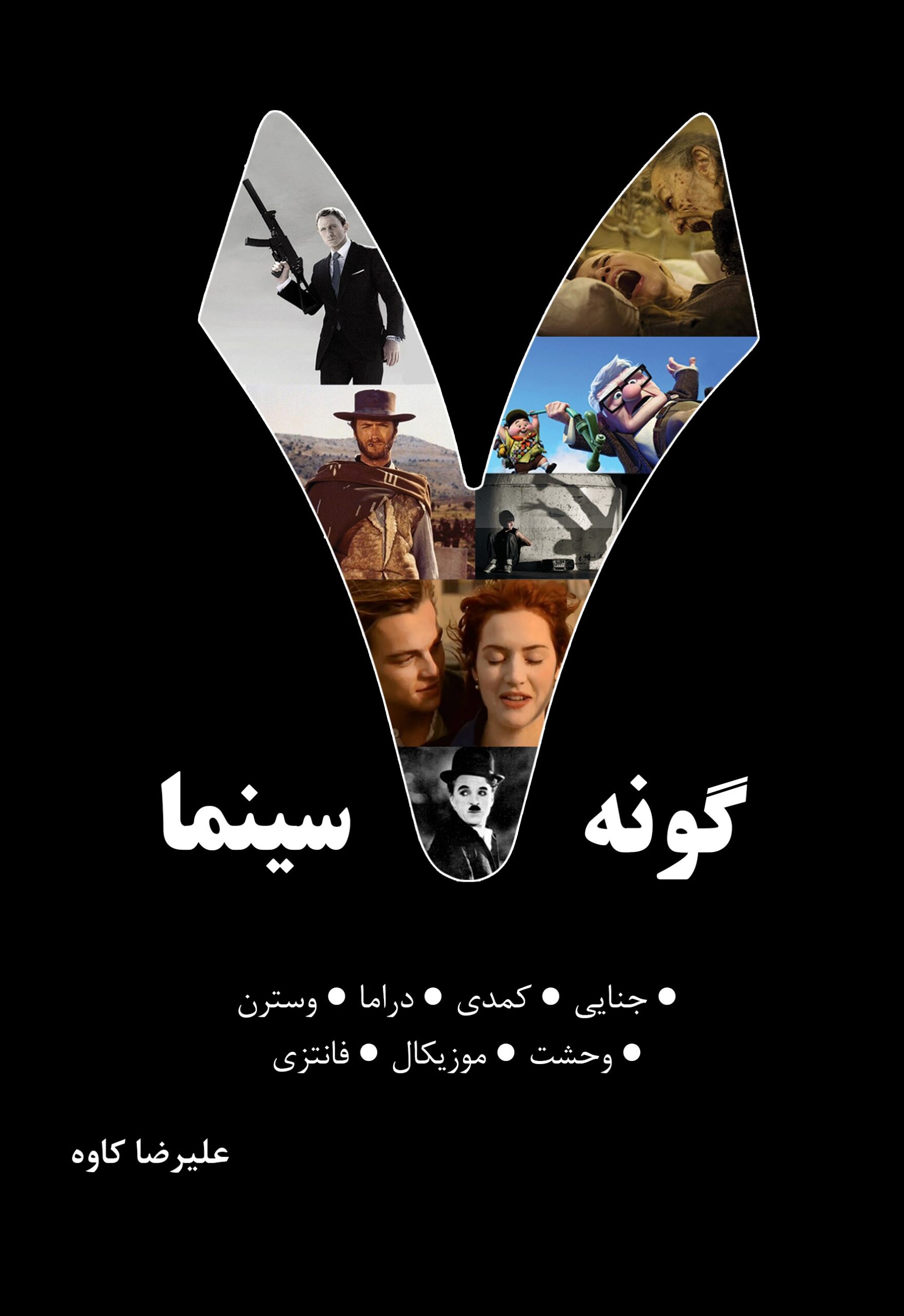
۳-۱ هفت گونه سینما سه جلد
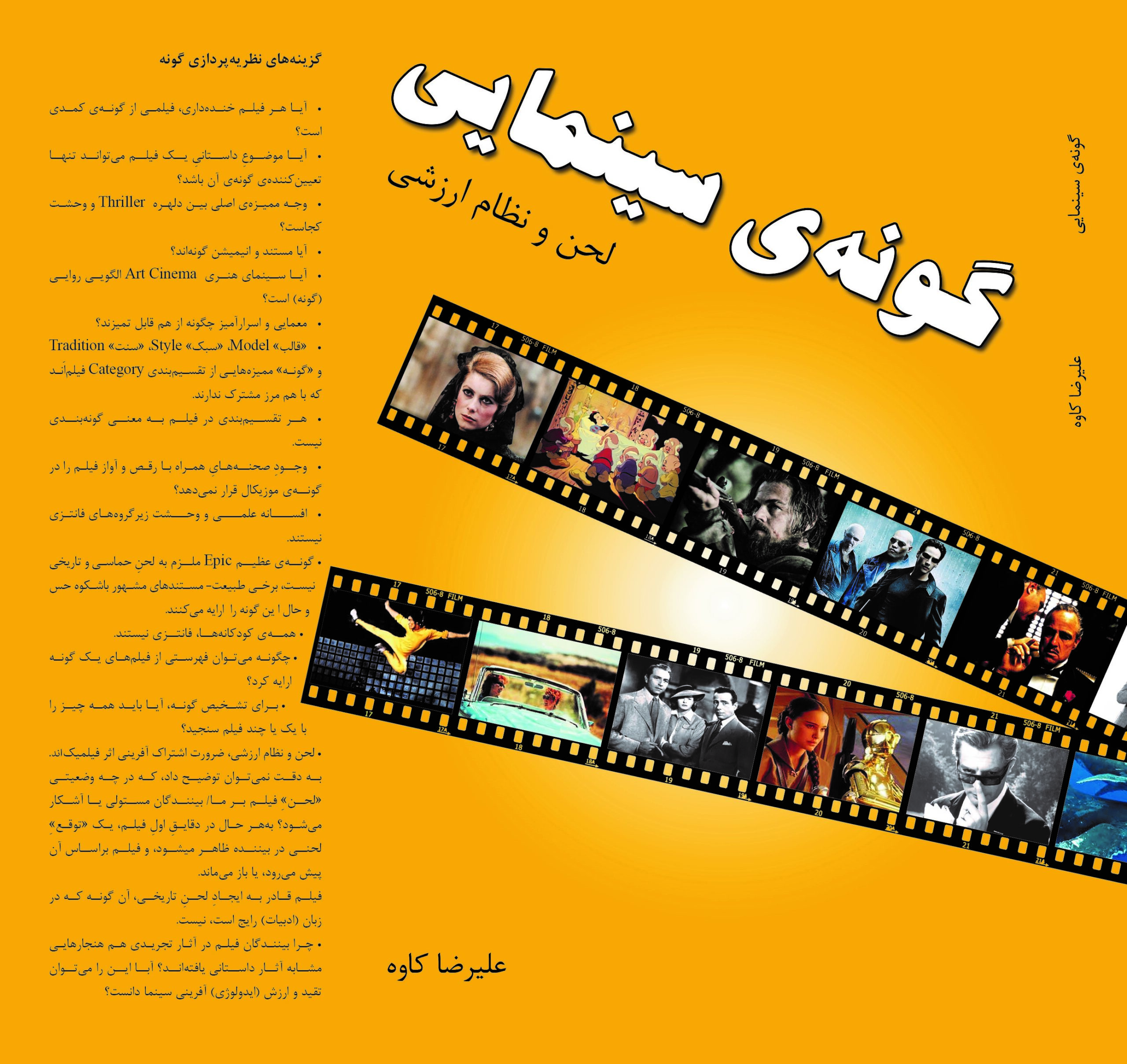
۴ گونه‌ی سینمایی
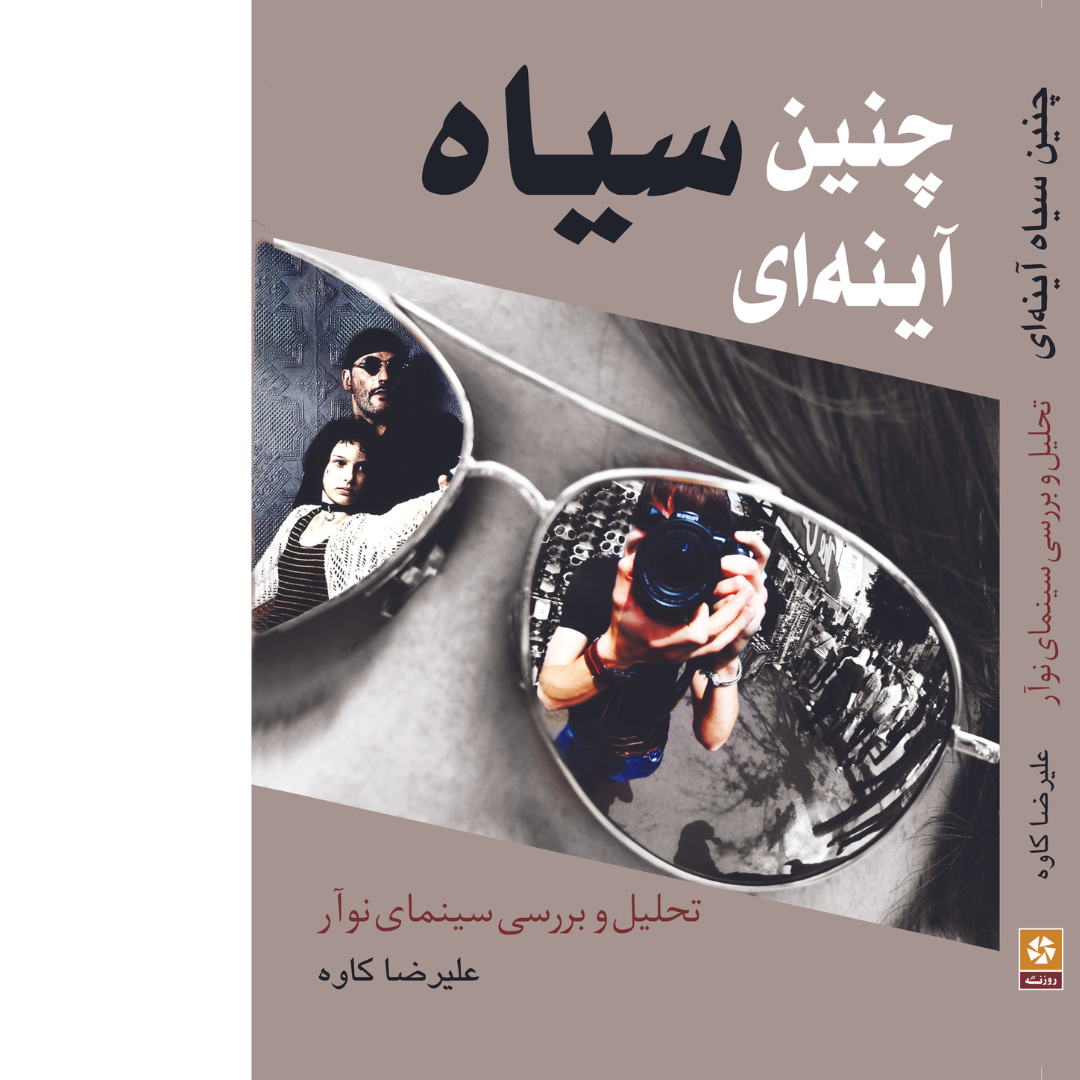
۵ چنین سیاه آینه‌ای
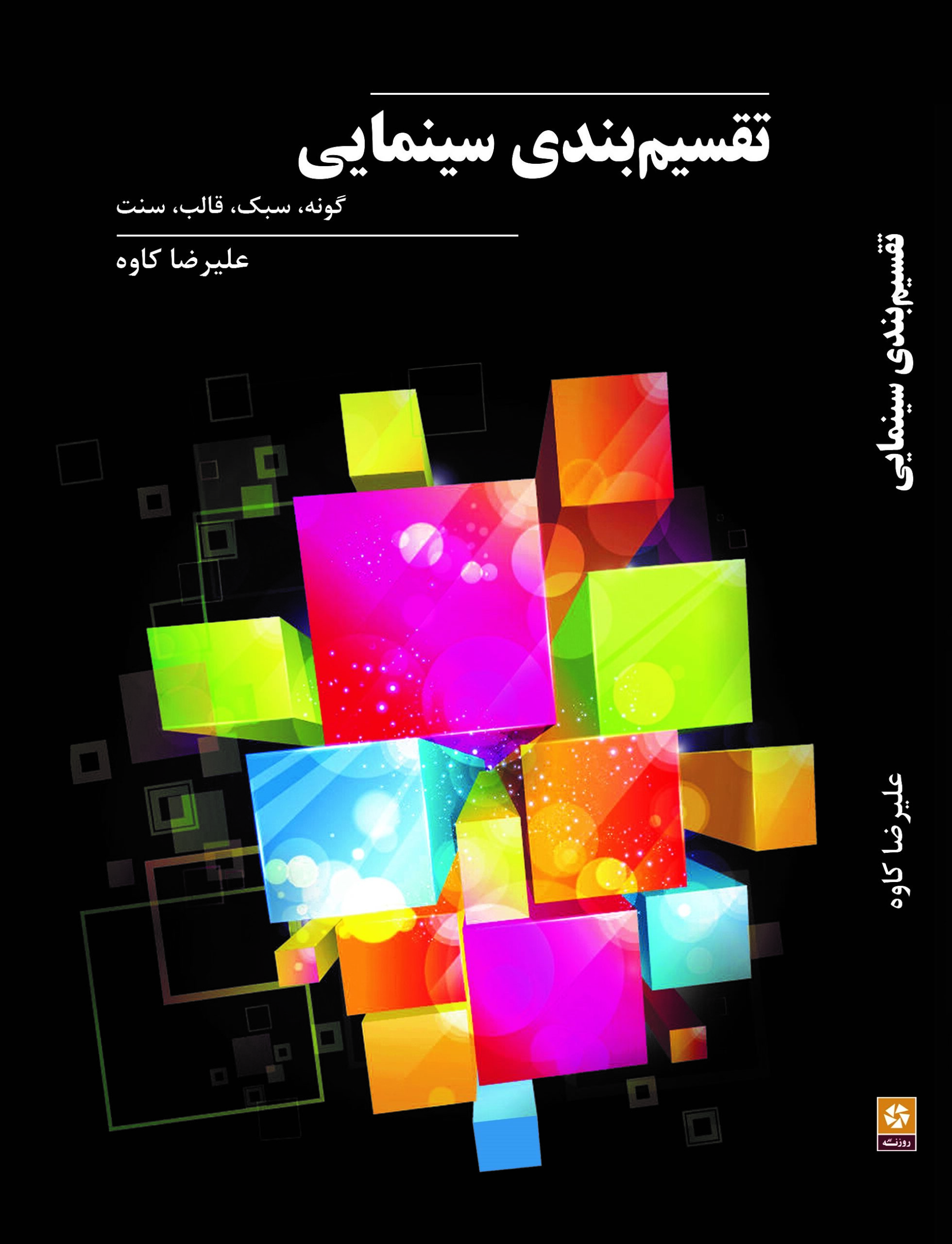
۶ تقسیم‌بندی سینمایی
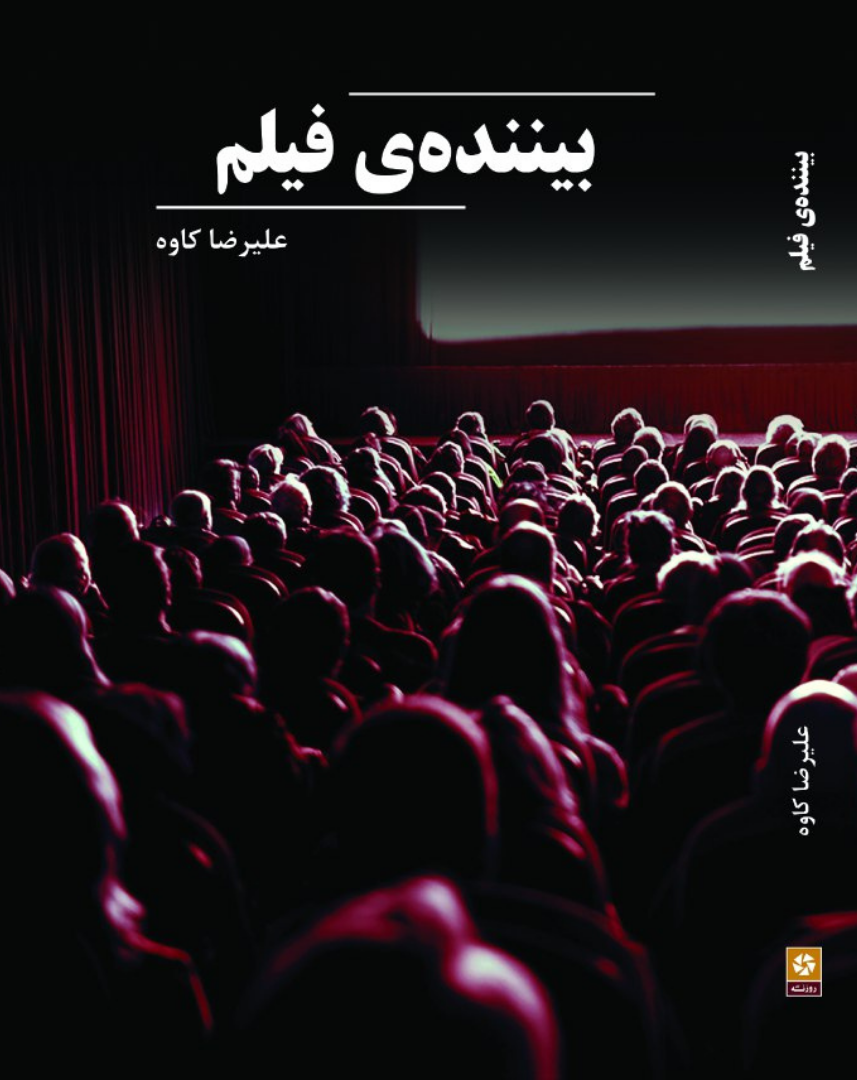
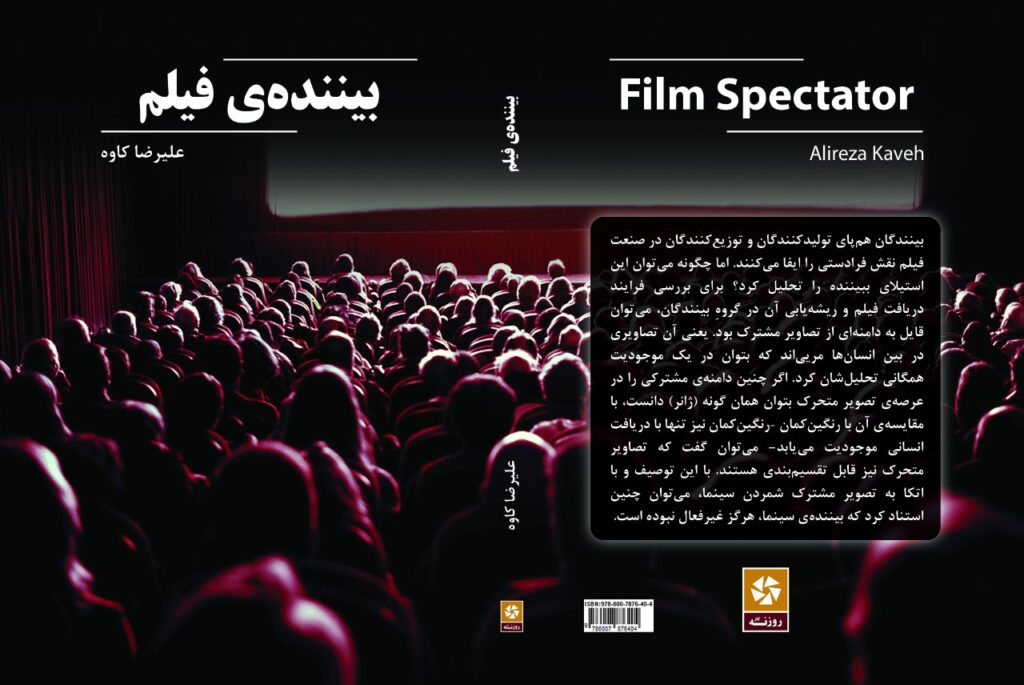
۷ بیننده‌ی فیلم

به‌کوشش:
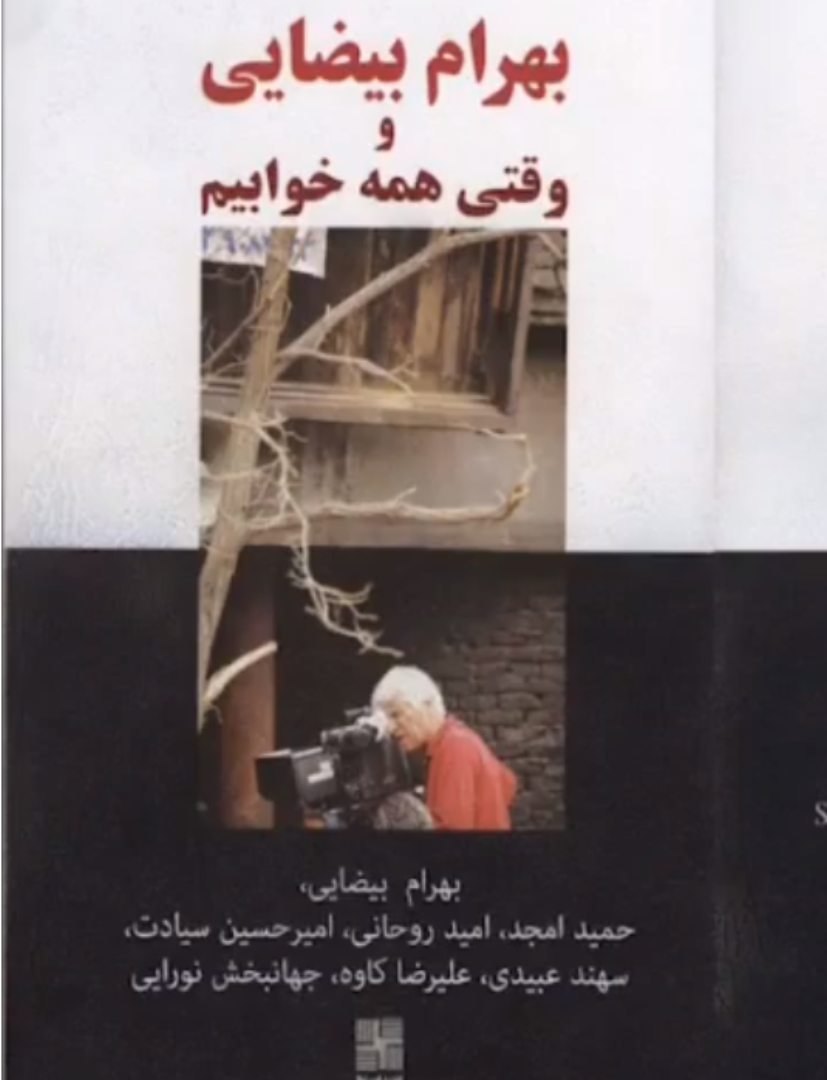
۸ بهرام بیضایی و وقتی همه خوابیم

کارهای مشترک و با همکاری

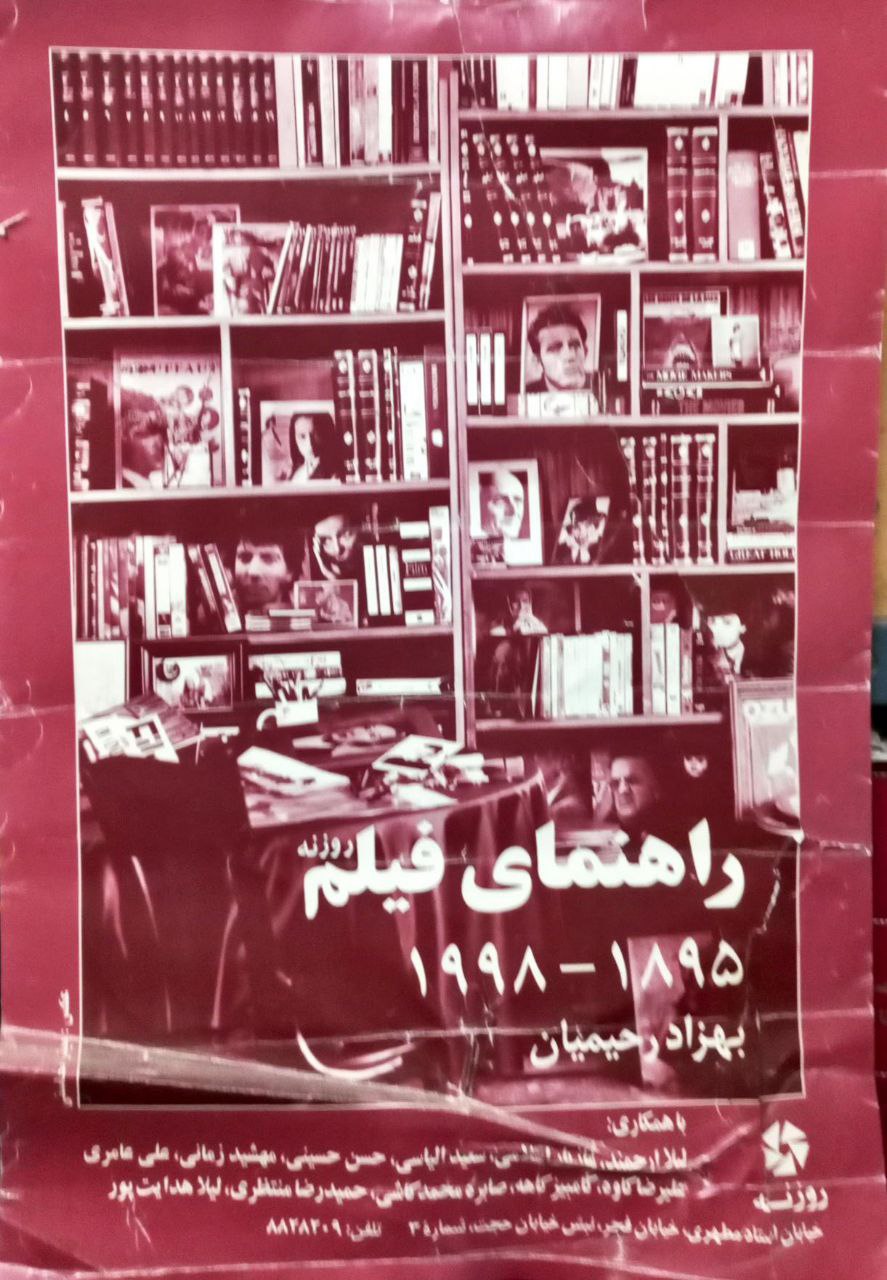
با بهزاد رحیمیان
۹ راهنمای فیلم روزنه‌کار

با مسعود فراستی
۱۰ هیچکاک همیشه استاد
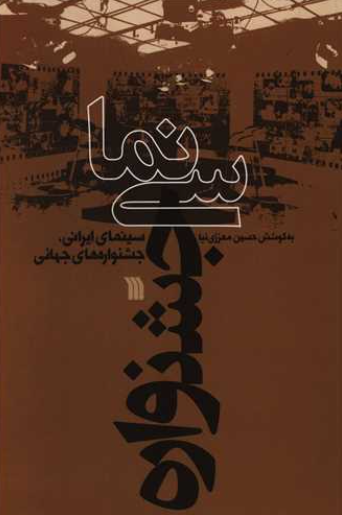
۱۱ سینما جشنواره به‌کوشش حسین معززی نیا

با عباس بهارلو
۱۲ معرفی آثار مخملباف

با محمد جعفری
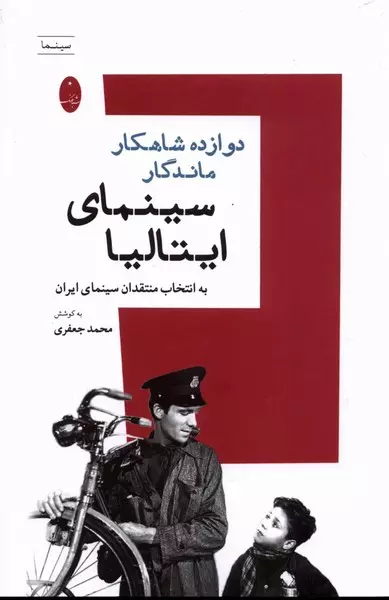
۱۳ سینمای ایتالیا
۱۴ سینمای اروپای شرقی
۱۵ سینمای امریکای جنوبی (زیر چاپ)

با زاون قوکاسیان
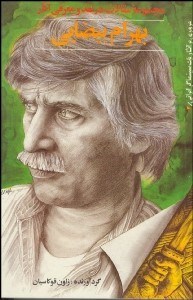
۱۶ معرفی آثار بیضایی
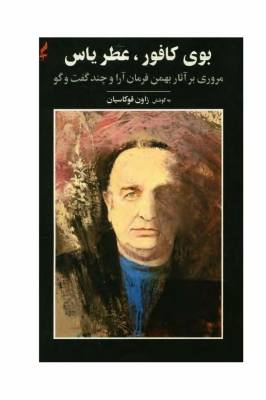
۱۷ معرفی آثار بهمن فرمان‌آرا
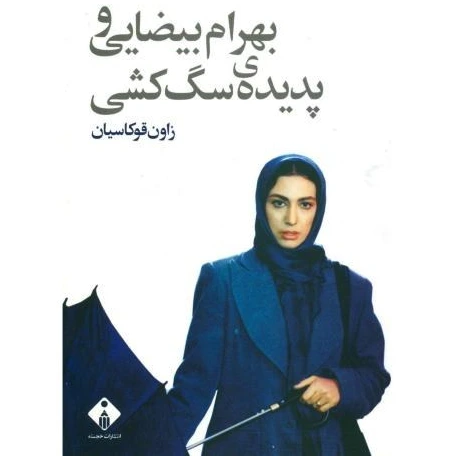
۱۸ سگ‌کشی
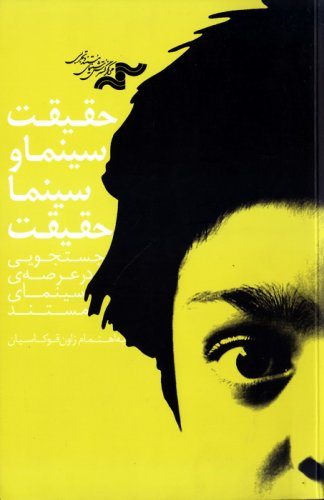
۱۹ حقیقت سینما و سینما حقیقت

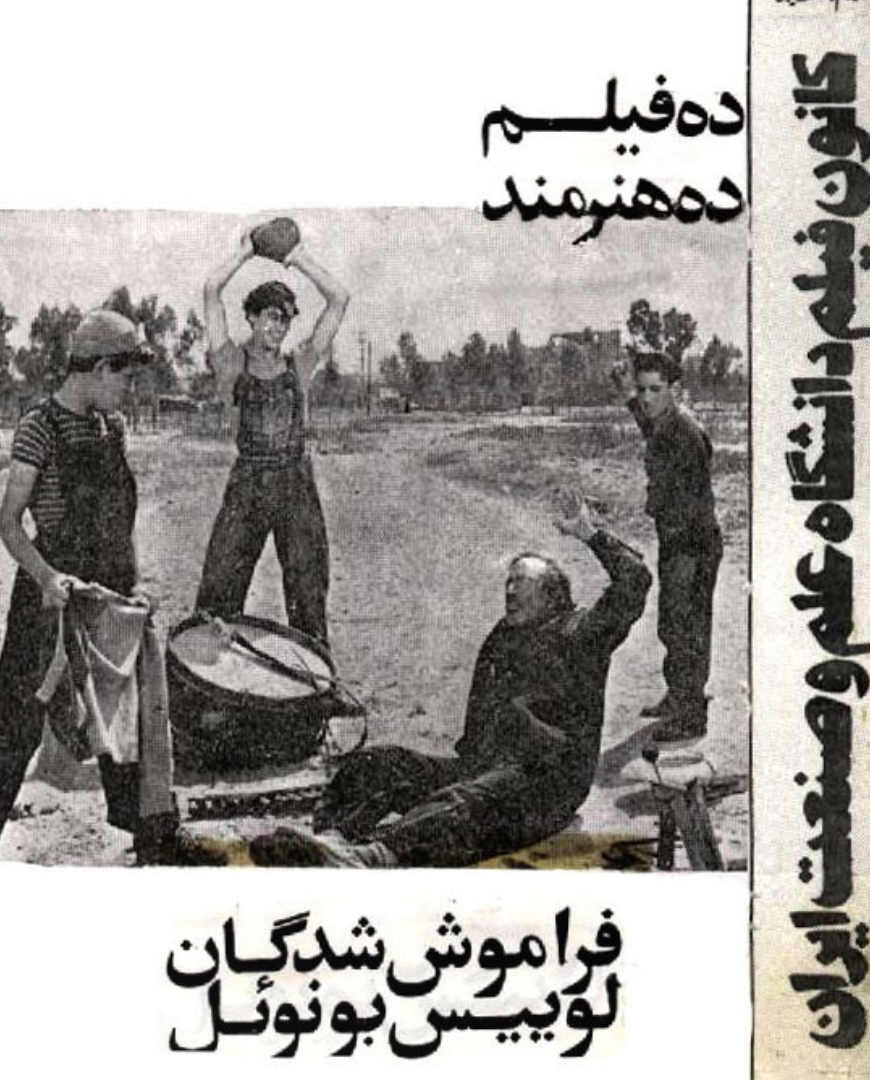
۲۰ جزوه‌ی دانشجویی (بروشور) بازنشر مجازی (PDF)
بونوئل و فراموش‌شدگان

در دست تالیف
۲۱ هفت گونه چهارم
۲۲ بیست فیلم ایرانی
۲۳ بیست فیلم خارجی
۲۴ گونه‌ی موزیکال
۲۵ هفت گونه ضمایم
۲۶ الفبای ژانر با حسن حسینی و دیگران
27 ناتاریخ سینما
28 سینما و هوش مصنوعی

بیننده‌ی فیلم

Theory of Viewership

نظریه‌ی بینندگی – علیرضا کاوه

نظریه‌ی بینندگی

بر اساس کتاب «بیننده‌ی فیلم» نوشتهٔ علیرضا کاوه

Theory of Viewership (English)

The Theory of Viewership, as proposed by Iranian scholar and filmmaker Alireza Kaveh in his book The Film Spectator, reframes spectatorship not as passive reception, but as a historically and culturally embedded epistemological construct.

  • Spectatorship is conceptual and historical—not merely psychological or sociological.
  • This theory aligns with Kaveh’s broader project Notahistory of Cinema.
  • Viewership is proposed as an epistemological lens rooted in inherited visual cognition.

“Cinematic knowledge is shaped by a historically conditioned viewership, rooted in pre-modern rituals and visual traditions.”

Viewership Theory may be seen as part of the broader landscape of reception-centered approaches to cinema. However, it diverges from classical Reception Theory by grounding its premises in non-Western epistemologies—particularly those rooted in ancient Persian rituals of light, shadow, and spectatorship.

مقدمه

کتاب بیننده‌ی فیلم نوشتهٔ علیرضا کاوه، تلاشی نظری است برای بازخوانی جایگاه بیننده در سینما، نه به‌عنوان یک «مخاطب منفعل»، بلکه به‌مثابه ساختاری تاریخی، فرهنگی و معرفت‌شناختی. این نظریه با تأکید بر تاریخ بینندگی و ریشه‌های آیینی، اسطوره‌ای و دیداری آن، تماشای فیلم را نه یک تجربهٔ فردی، بلکه امری ریشه‌دار در سازوکارهای بصری تمدن‌ها معرفی می‌کند.

نکات کلیدی نظریه

  • شناخت ما از فیلم‌ها، متأثر از میراث دیدن در سنت‌های فرهنگی است.
  • بینندگی نه امری روان‌شناختی یا جامعه‌شناختی، بلکه نظامی مفهومی است.
  • پروژهٔ «ناتاریخ سینما» در ادامهٔ همین نظریه، ریشه‌های دیداری را از مناسک کهن و تصویرآفرینی آیینی پی‌ می‌گیرد.
  • «بینندگی» جایگاهی مشابه epistemology در فلسفه دارد.

Theory of Viewership (English)

The Theory of Viewership, as proposed by Iranian scholar and filmmaker Alireza Kaveh in his book The Film Viewer, reframes spectatorship not as passive reception, but as a historically and culturally embedded epistemological construct.

  • Spectatorship is conceptual and historical—not merely psychological or sociological.
  • This theory aligns with Kaveh’s broader project Notahistory of Cinema.
  • Viewership is proposed as an epistemological lens rooted in inherited visual cognition.

“Cinematic knowledge is shaped by a historically conditioned viewership, rooted in pre-modern rituals and visual traditions.”

👁 مشاهدهٔ زمینهٔ فرهنگی نظریهٔ دریافت در ویکی‌پدیای انگلیسی

© Alireza Kaveh | alirezakaveh.com

گونه‌ی موزیکال

کتابی است در دست تالیف از علیرضا کاوه


← فهرست کتاب‌ها

معرفی

کتاب «گونه‌ی موزیکال» با زیر عنوان سینما و موسیقی یک پژوهش جامع درباره‌ی تاریخ، ساختار، تنوع سبکی، و تحولات ژانر موزیکال در سینمای جهان و ایران است. این اثر با تکیه بر نظریه‌پردازی بومی و تحلیل تطبیقی، به بررسی مهم‌ترین شاخصه‌های این ژانر می‌پردازد و روایتی تازه از جایگاه موسیقی در درام سینمایی ارائه می‌کند.


تمرکز محتوایی

  1. گونه‌شناسی و تنوع سینمایی
  2. تعریف و تمایز ژانر موزیکال
  3. ریشه‌های تاریخی و موسیقیایی موزیکال
  4. سبک‌شناسی موسیقی در سینما
  5. ساختار دراماتیک در موزیکال‌ها
  6. گونه‌های کلاسیک موزیکال
  7. موزیکال‌های معاصر و پست‌مدرن
  8. موزیکال در سینمای ایران
  9. مطالعه موردی: نمونه‌کاوی فیلم‌های منتخب
  10. جمع‌بندی و افق‌های آیندهٔ گونه موزیکال

مشاهده پیوندهای مرتبط

کتاب دارای پنج بخش اصلی است

۰ پیش‌گفتار: سینما و موسیقی

الف: تقسیم‌بندی

  1. سنت: هالیوود، بالیوود، آسیا، اروپا، افریقا به‌همراه نمونه‌هایی از سینمای بیست و پنج کشور
  2. رسانه
  3. قالب: انیمیشن، مستند، تجربی …
  4. سبک: در موسیقی و سینما و رقص

ب: گونه

  1. موسیقی و گونه‌ها
  2. سی و نه فیلم
  3. صد فیلم

پ: دانش‌نامه

ت:پیوست

English

Alireza Kaveh

**Analysis of Alireza Kaveh’s Film Theories**

Alireza Kaveh’s cinematic theories reflect his profound and indigenous perspectives on cinema and its place in Iranian culture. Broadly speaking, he views cinema not merely as a medium but as a cultural and collective process in which the audience plays an essential and active role. Below, we break down the three main pillars of Kaveh’s theories:

### 1. **Genre Theory: The Cinematic Rainbow**
Kaveh analyzes genres in a deep and multifaceted manner, diverging from conventional approaches that primarily focus on form or content. Instead, he emphasizes tone and human emotions in relation to genres, considering them tools for conveying feelings and human reactions. His fourfold classification—which categorizes genres analogously to the seasons of the year—is particularly noteworthy, especially regarding the behavioral differences in how international and local audiences perceive cinema. A key innovation of this theory is its focus on the viewer’s role and reactions in defining genre.

### 2. **Spectatorship Theory: The Viewer as Creator**
In this theory, Kaveh highlights the crucial role of the audience, arguing that cinema lacks real meaning without their active participation. He particularly emphasizes the role of the Iranian viewer in the process of cinematic meaning-making, asserting that cinema in Iranian culture differs fundamentally from Western cinema. With a philosophical lens, this theory treats cinema as a collective phenomenon whose meaning emerges only through interaction with the audience.

### 3. **Historical Spectatorship Theory: Cinema Before the Invention of the Camera**
Kaveh believes that cinema has a historical background that can be understood independently of modern technology like cameras. By examining various cultural traditions and ancient rituals, he demonstrates that humans have always had a desire to narrate stories through moving images. This perspective, according to Kaveh, helps separate the concept of cinema from technology, presenting it instead as a cultural and mental phenomenon rooted in human history.

### **Criticisms and Challenges**
Kaveh’s theories have faced criticism, particularly regarding the role of production figures (directors, producers) and the perceived reduction of their influence in the cinematic process. Additionally, his indigenous perspective on cinema is sometimes seen as idealistic, potentially distant from the realities of the film industry.

### **Application in Iranian Cinema**
Kaveh strongly emphasizes the importance of genre awareness in Iranian cinema. He argues that Iranian cinema lacks a distinct visual identity due to its neglect of genre concepts, limiting its global impact.

### **Conclusion**
As a film theorist, particularly in genre studies and the philosophy of cinema, Alireza Kaveh has developed a unique and indigenous approach to analyzing cinema. His theories serve not only as academic discussions but also as practical frameworks for better understanding Iranian cinematic culture and its relationship with both local and global audiences.

داریوش مهرجویی

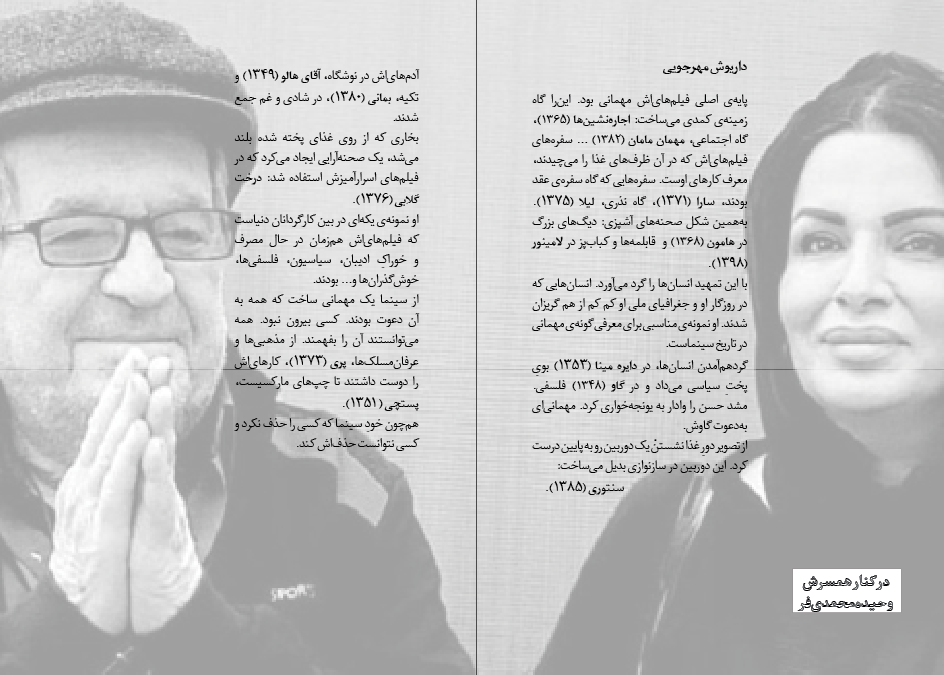
پایه‌ی اصلی فیلم‌های‌ داریوش مهرجویی مهمانی بود. این‌را گاه زمینه‌ی کمدی می‌ساخت: اجاره‌نشین‌ها (۱۳۶۵)، گاه اجتماعی، مهمان مامان (۱۳۸۲) … سفره‌های فیلم‌های‌اش که در آن ظرف‌های غذا را می‌چیدند، معرف کارهای اوست. سفره‌هایی که گاه سفره‌ی عقد بودند، سارا (۱۳۷۱)، گاه نذری، لیلا (۱۳۷۵). به‌همین شکل صحنه‌های آشپزی: دیگ‌های بزرگ در هامون (۱۳۶۸) و قابلمه‌ها و کباب‌پز در لامینور (۱۳۹۸).
با این تمهید انسان‌ها را گرد می‌آورد. انسان‌هایی که در روزگار او و جغرافیای ملی او کم کم از هم گریزان شدند. او نمونه‌ی مناسبی برای معرفی گونه‌ی مهمانی در تاریخ سینماست.
گردهم‌آمدن انسان‌ها، در دایره مینا (۱۳۵۳) بویِ پختِ سیاسی می‌داد و در گاو (۱۳۴۸) فلسفی. مشد حسن را وادار به یونجه‌خواری کرد. مهمانی‌ای به‌دعوت گاوش.
از تصویر دورِ غذا نشستنْ یک دوربین رو به پایین درست کرد. این دوربین در سازنوازی‌ بدیل می‌ساخت: سنتوری (۱۳۸۵).
آدم‌های‌اش در نوشگاه، آقای هالو (۱۳۴۹) و تکیه، بمانی (۱۳۸۰)، در شادی و غم جمع‌ شدند.
بخاری که از روی غذای پخته شده بلند می‌شد، یک صحنه‌آرایی ایجاد می‌کرد که در فیلم‌های اسرارآمیزش استفاده شد: درخت گلابی (۱۳۷۶).
او نمونه‌ی یکه‌ای در بین کارگردانان دنیاست که فیلم‌های‌اش هم‌زمان در حال مصرف و خوراکِ ادیبان، سیاسیون، فلسفی‌ها، خوش‌گذران‌ها و… بودند.
از سینما یک مهمانی ساخت که همه به آن دعوت بودند. کسی بیرون نبود. همه می‌توانستند آن را بفهمند. از مذهبی‌ها و عرفان‌مسلک‌ها، پری (۱۳۷۳)، کارهای‌اش را دوست داشتند تا چپ‌های مارکسیست، پستچی ( ۱۳۵۱).
هم‌چون خودِ سینما که کسی را حذف نکرد و کسی نتوانست حذف‌اش کند.


برگرفته از بخش مهمانی در کتاب سوم هفت گونه سینما نوشته‌ی علیرضا کاوه نشر روزنه کار

فیلم‌های عمر

فیلم‌های عمر علیرضا کاوه در نظرخواهی سال ۱۳۹۸ ماهنامه فیلم
10 فیلم ایرانی

دایی جان ناپلئون (تقوایی، ۱۳۵۵)، مرگ یزدگرد (بیضایی، ۱۳۶۰)، غریبه و مه (بیضایی، ۱۳۵۴)، گوزن‌ها (کیمیایی، ۱۳۵۳)، اون‌شب که بارون اومد (شیردل، ۱۳۴۷)، خانه‌ی پدری (عیاری، ۱۳۸۹)، متهمین دایره‌ی بیستم (حسام اسلامی ۱۳۹۵)، درشکه‌چی (نصرت کریمی، ۱۳۵۰)، صمد و قالیچه‌ی حضرت سلیمان (صیاد، ۱۳۵۰)، وقتی همه خوابیم (بیضایی، ۱۳۸۷).

—————————————————–

و بعد …

آشغال‌های دوست‌داشتنی (محسن امیریوسفی، ۱۳۸۹)، طلسم (داریوش فرهنگ، ۱۳۶۵)، پرده‌ی آخر (کریم‌مسیحی، ۱۳۶۹)، دونده (نادری، ۱۳۶۴)، کندو (گله، ۱۳۵۴)، هم‌سفر (مسعود اسدالهی، ۱۳۵۴)، شترنج باد (محمدرضا اصلانی، ۱۳۵۵)، هزاردستان (حاتمی، ۱۳۶۶)، شب‌نشینی در جهنم (سروری و خاچیکیان و دیگران، ۱۳۳۳)، شازده احتجاب (فرمان‌آرا، ۱۳۵۳).

10 فیلم برتر جهان

ملک الموت (بونوئل، ۱۹۶۲)، دکامرون (پازُلینی، ۱۹۷۱)، بل دوژور (بونوئل، ۱۹۶۶)، من یک فراری از گروه زنجیریان هستم (لِرُی، ۱۹۳۲)، رزمناو پوتمکین (آیزنشتاین، ۱۹۲۵)، نخستین اصلاح شده (شریدر، ۲۰۱۷)، سال گذشته در مارین باد (رنه، ۱۹۶۱)، هشت و نیم (فلینی، ۱۹۶۳)، از قلب dil se … (راتنام، ۱۹۹۸)، یادگاری (نولان، ۲۰۰۰)

و بعد

سرگیجه (هیچکاک، ۱۹۵۸)، قاعده بازی (رنوار، ۱۹۳۹)، نامه رسان همیشه دو بار زنگ می زند (گارنت، ۱۹۴۶)، طلوع (مُرناو، ۱۹۲۷)، ایثار (تارکُفسکی، ۱۹۸۶)، شاید اهریمن (برسن، ۱۹۷۷)، کازابلانکا (کورتیز، ۱۹۴۲)، داشتن و نداشتن (هاکس، ۱۹۴۴)، ۲۱ گرم (اینیارتیو، ۲۰۰۳)، داستان عامه‌پسند (تارانتینو، ۱۹۹۴)، جاده‌ی مالهالند (لینچ، ۲۰۰۱)، رفیق قدیمی (پارک چان ووک، ۲۰۰۳)، پاریس دوستت دارم (گروه کارگردانان، ۲۰۰۶)، هفت (فینچر، ۱۹۹۷)، ژول و ژیم (تروفو، ۱۹۶۲)، سه‌گانه‌ی پدرخوانده (کاپُلا، ۱۹۷۲، ۱۹۷۴، ۱۹۹۴)، زنی سفید رو و تنها (باربه شرودر، ۱۹۹۲).

 آثار پل شریدر، آثار لورل و هاردی، آثار والت دیزنی، آثار فریتس لانگ، آثار بروس لی، آثار ژان رنوار، آثار ژان پی‌‌‌یِر ملویل، آثار برگمان، آثار رسلینی، آثار گریفیث، آثار بونوئل، آثار پازلینی، آثار تاتی، آثار فُن استرنبرگ، آثار بیلی وایلدر، آثار کراننبرگ، همکاری های اسکُرسیسی و پل شریدر،

فیلم‌های عمر علیرضا کاوه