
Tone Film
لحن (سینما)
مقدمه
لحن در سینما به جوّ عاطفی، زیباییشناختی و ادراکی یک فیلم اشاره دارد؛ جوّی که جهان اثر را برای تماشاگر گشوده و تجربهٔ او را شکل میدهد. لحن فراتر از پیرنگ، شخصیتپردازی یا سبک عمل میکند و بر نحوهٔ تجربهٔ تماشاگر از فضا، ارزشها و کیفیتهای احساسی اثر تأثیر میگذارد. این مفهوم توضیح میدهد که چرا دو فیلم با موضوع یا سبک مشابه میتوانند تجربههایی کاملاً متفاوت ایجاد کنند.
پیشینهٔ تاریخی و فلسفی
سنت موسیقی و میراث فارابی
در سنت موسیقایی جهان ایرانی–اسلامی، بحث «الحان» از دورهٔ فارابی نقش مهمی داشته است. فارابی در موسیقی کبیر لحن/الحان را نه صرفاً نغمه بلکه کیفیتی ادراکی و احساسی میداند که ساختار دریافت موسیقایی را سامان میدهد. این تلقی از لحن بهعنوان حامل تجربه، یکی از مهمترین زمینههای تاریخی برای فهم لحن در هنرهای دیگر، از جمله سینما، محسوب میشود.
نظریهٔ موسیقی غربی
ادوارد هانسلیک در دربارهٔ زیبایی موسیقایی (۱۸۵۴) لحن را عنصر مستقل و بیانگر احساس میداند. تئودور آدورنو در فلسفهٔ موسیقی نو (۱۹۴۹) آن را میدان تلاقی احساس، تاریخ و ایدئولوژی توصیف میکند.
پایههای فلسفی
مفهوم لحن در فلسفه با Stimmung («حالوهوای بنیادین») در اندیشهٔ مارتین هایدگر پیوند دارد. هایدگر در هستی و زمان Stimmung را شیوهای برای گشودگی جهان میداند. سوزان لانگر نیز در احساس و صورت (۱۹۵۳) لحن را «منطق پیشازبانی احساس» معرفی میکند.
لحن در مطالعات سینمایی
عاطفه و شناخت
کارل پلنتینگا لحن را بخشی از نظام عاطفی سینما میداند. گرگ ام. اسمیت در ساختار فیلم و نظام عاطفه لحن را پترن احساسی پایدار اثر مینامد. ژولیان هانیش نیز در تحلیل وحشت و تعلیق بر نقش لحن در انسجام تجربهٔ ادراکی تأکید میکند.
ابعاد زیباییشناختی و سبکی
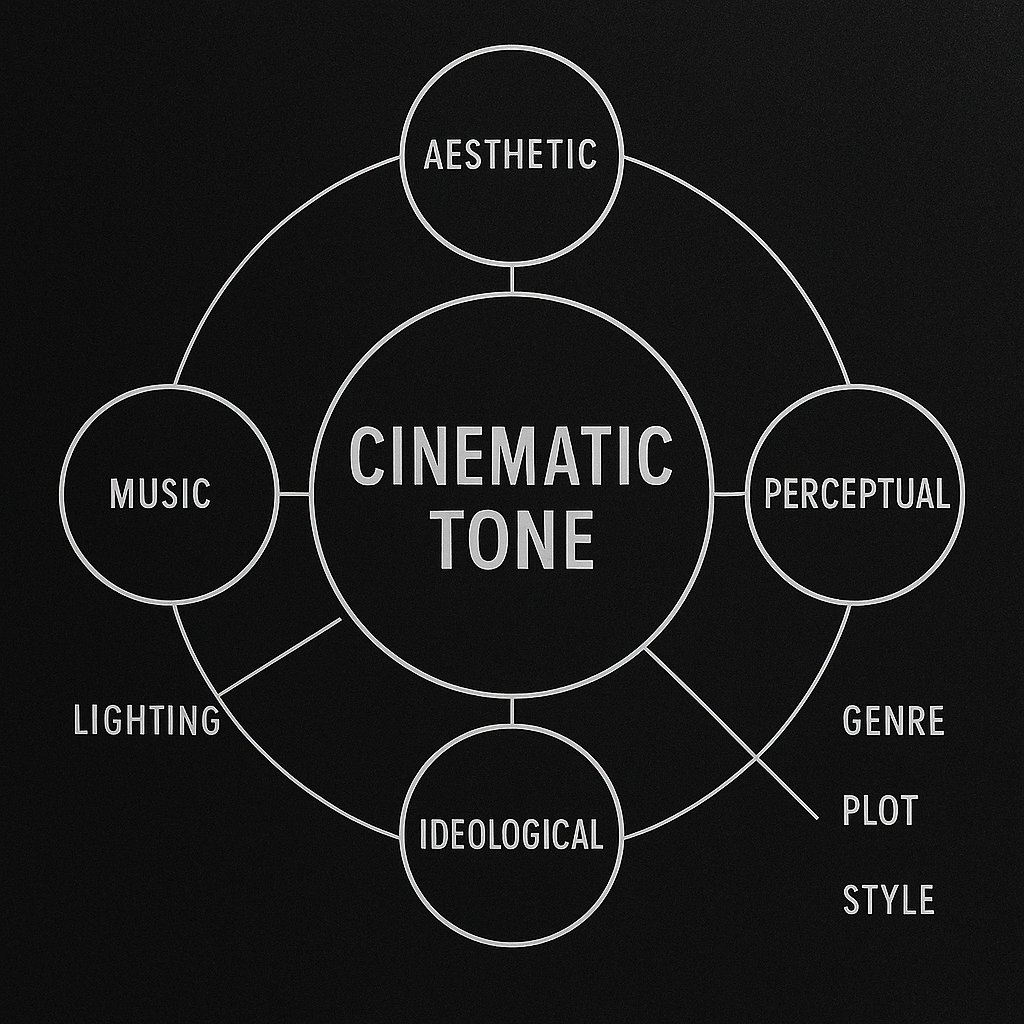
نورپردازی، رنگ، موسیقی، ریتم تدوین، بازیگری و ارزشگذاری اخلاقی از عناصر تشکیلدهندهٔ هویت لحنی فیلم هستند.
لحن در تولید فیلم
در آموزش و صنعت سینما، لحن «قطبنمای احساسی» فیلم است. دورهها و راهنماهای عملی مانند StudioBinder و MasterClass بر اهمیت انسجام لحنی، مدیریت تغییر لحن و هماهنگسازی مؤلفههای تصویر، بازیگری و موسیقی تأکید دارند.
گسترشهای فلسفی و رویکردهای غیرغربی
در رویکردهای جدید، لحن بهعنوان ساختاری ادراکی و ارزشی فهمیده میشود. در میان این جریانها، چارچوب لحنی در سینما که توسط پژوهشگر و فیلمساز ایرانی علیرضا کاوه توسعه یافته، یکی از نمونههای برجستهٔ غیرغربی است. کاوه نخستینبار در مقالهٔ «گونه چیست؟» (۱۳۸۱) نقش لحن را در تجربهٔ تماشاگر و شکلگیری ژانر طرح کرد. او این دیدگاه را در کتاب گونهٔ سینمایی: لحن و نظام ارزشی (۱۳۹۵) بسط داد و لحن را «سطح میانجی ادراکی–ارزشی» میان فرم و جهانمندی سینمایی تعریف کرد.
جستارهای وابسته
- حالوهوای فلسفی (Stimmung)
- زیباییشناسی فیلم
- پدیدارشناسی سینما
- الحان (فارابی)
- نظریهٔ عاطفه در سینما
- گونهشناسی سینمایی
Tone (film)
Introduction
Tone in cinema refers to the affective, aesthetic, and perceptual atmosphere through which a film discloses its world to the viewer. Tone operates beyond plot, character, or style, shaping how the viewer experiences the film’s emotional, moral, and sensory universe. It explains why films with similar stories or stylistic elements may evoke fundamentally different experiential responses.
Historical and Philosophical Background
The al-aḥān Tradition and Farabi
Within the intellectual heritage of the Iranian–Islamic world, discussions of al-aḥān (“melodic patterns” or “modes of affect”) go back to Abu Nasr al-Farabi (10th century CE). In his Great Book of Music (Kitāb al-Mūsīqā al-Kabīr), Farabi understands laḥn/al-aḥān not merely as melody, but as a perceptual–affective quality that shapes emotional and cognitive disposition. This broader conception provides a historical precedent for modern interpretations of tone in the arts, including cinema.
Western Music Theory
Eduard Hanslick’s On the Musically Beautiful (1854) treats tone as a formal yet expressive element. Theodor W. Adorno, in Philosophy of New Music (1949), connects tone with historical consciousness and socio-emotional structures.
Philosophical Foundations
Tone is closely associated with the German notion of Stimmung (“attunement”). In Being and Time (1927), Martin Heidegger presents Stimmung as a primordial mode in which the world is disclosed prior to conceptual interpretation. Susanne Langer, in Feeling and Form (1953), describes tone as a “logic of feeling,” a pre-linguistic structure through which art conveys experiential form.
Tone in Film Studies
Emotion and Cognition
Carl Plantinga conceptualizes tone as part of cinema’s affective system. Greg M. Smith describes tone as the sustaining emotional pattern of a film. Julian Hanich uses tone to explain experiential coherence in horror and suspense.
Aesthetic and Stylistic Dimensions
Tone is shaped through lighting, color, music, performance affect, editing rhythm, spatial composition, and moral–ideological orientation.
Tone in Film Practice
In filmmaking practice, tone is often described as the “emotional compass” of a film. Directing guides, StudioBinder materials, and MasterClass lessons emphasize tonal coherence, tonal shifts, and alignment of cinematography, performance, and scoring.
Philosophical Extensions and Non-Western Approaches
Recent approaches expand tone into a broader perceptual and ideological structure. Among non-Western frameworks, Iranian scholar and filmmaker Alireza Kaveh has proposed a tone-based cinematic model emphasizing tone’s role in viewer experience and in the formation of genre. Kaveh introduced the idea in his 2002 article “What Is Genre?” (published in Naqd-e Cinema, archived in Noormags) and further developed it in Film Genre: Tone and Ideology (Roznekar, 2016). He defines tone as a perceptual–value layer mediating between cinematic form and cultural meaning.
See also
- Stimmung
- Film aesthetics
- Phenomenology of film
- Susanne Langer
- Emotion and cinema
- Genre theory
- Film Genre: Tone and Ideology
- Farabi, Great Book of Music
A Theory of Film Tone and Genre
https://zenodo.org/records/18454929
https://zenodo.org/records/18454929
Film tone (Q138049638)
https://www.wikidata.org/wiki/Q138049638
https://en.wikipedia.org/wiki/Draft:Film_tone