
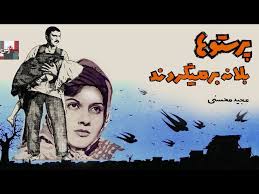
کلیپی از فیلم «پرستوها به لانه برمیگردند»
پرستوها به لانه برمیگردند – سنگبنای ملودرام اجتماعی ایران
A Cornerstone of Iran’s Social Melodrama Parastuha Be Laneh Barmigardand (1964)
A Cornerstone of Iran’s Social Melodrama
Parastuha Be Laneh Barmigardand (1964) stands as a foundational film in the history of Iranian popular cinema—far more influential than its current visibility on IMDb suggests. Majid Mohseni not only crafted a social melodrama, but also introduced several global cinematic patterns into Iran: the emotional force of Italian popular comedies, elements of early Bollywood storytelling, and one of the earliest depictions of rural-to-urban migration on screen.
Mohseni was one of the key filmmakers who brought these international influences into a distinctly local context. His earlier character-types—such as the “honorable tough guy” archetype—later shaped what became known as the Kolah-Makhmali persona, and even influenced later popular characters including the early forms that eventually inspired figures like “Samad.” These connections reveal how far ahead of his time Mohseni truly was.
The film also marks the emergence of Azar Shiva, who would later become a significant figure in Iranian cinema—another indication of Mohseni’s role in shaping the talent and taste of mainstream film culture before the revolution.
Narratively, the film follows a father who sacrifices everything to secure a better future for his son after a family tragedy. This emotional core, combined with its depiction of social hardship, gives the film a realism that predates the broader wave of Iranian social drama in the late 1960s.
Within a cinematic taxonomy, the film belongs to classical three-act structure, melodramatic realism, the social melodrama genre, and the broader tradition of Iranian popular cinema—a tradition that would later dominate the box office for decades.
Parastuha… deserves recognition as a pioneering work that helped define the emotional and narrative language of Iranian mainstream filmmaking.
خلاصهٔ فارسی نقد
فیلم «پرستوها به لانه برمیگردند» (۱۳۴۳) یکی از آثار بنیانگذار در تاریخ سینمای عامهپسند ایران است؛ بسیار اثرگذارتر از آنچه حضور کمرنگش در IMDb نشان میدهد. مجید محسنی در این فیلم تنها یک ملودرام اجتماعی نساخته، بلکه چندین الگوی جهانی را هم به سینمای ایران وارد کرده است: نیروی عاطفی کمدیهای عامهپسند ایتالیایی، عناصری از روایتپردازی بالیوودی در دورهٔ کلاسیک، و از نخستین تصویرهای مهاجرت روستا به شهر بر پردهٔ سینما.
محسنی از فیلمسازان کلیدیای است که این تأثیرات بینالمللی را در بستری کاملاً بومی بازآفرینی کرد. تیپهای شخصیتی اولیهٔ او ــ مثل تیپ «لوطی آبرودار» ــ بعدها به شکلگیری شخصیت «کلاهمخملی» انجامید و در ادامه حتی بر شخصیتهای محبوب بعدی، از جمله شکلهای اولیهای که بعدها الهامبخش «صمد» شد، اثر گذاشت. این پیوندها نشان میدهند که محسنی تا چه اندازه جلوتر از زمانهٔ خود فکر میکرد.
فیلم همچنین محل ظهور آذر شیوا است؛ بازیگری که بعدها به یکی از چهرههای مهم سینمای ایران تبدیل شد. همین نکته وجه دیگری از نقش محسنی در شکلدادن به سلیقه و نیروی انسانی سینمای عامهپسند پیش از انقلاب را آشکار میکند.
از نظر روایت، فیلم سرگذشت پدری را دنبال میکند که پس از یک تراژدی خانوادگی، همهچیز را فدا میکند تا آیندهای بهتر برای فرزندش بسازد. این هستهٔ عاطفی، در کنار تصویر فقر و سختی اجتماعی، نوعی واقعگرایی به فیلم میدهد که جلوتر از موج گستردهٔ ملودرام اجتماعی در اواخر دههٔ ۱۳۴۰ است.
در چارچوب یک طبقهبندی سینمایی، فیلم به ساختار کلاسیک سهپردهای، واقعگرایی ملودراماتیک، ژانر ملودرام اجتماعی و سنت گستردهتر سینمای عامهپسند ایرانی تعلق دارد؛ سنتی که بعدها برای دههها گیشهٔ ایران را قبضه کرد.
«پرستوها…» شایستهٔ آن است که بهعنوان اثری پیشگام شناخته شود؛ فیلمی که به شکلگیری زبان عاطفی و روایی سینمای جریان اصلی ایران کمک کرده است.
مشاهدهٔ سایر نقدها در IMDb: مرورهای علیرضا کاوه در IMDb
ثبت رسمی در IMDb
این نقد توسط پایگاه جهانی IMDb بهعنوان یک External Critic Review پذیرفته شده و در صفحهٔ رسمی فیلم پرستوها به لانه برمیگردند (1964) منتشر شده است.
مرورهای علیرضا کاوه در imdb
https://www.imdb.com/user/ur201460854/?ref_=tt_nv_profile
https://alirezakaveh.com/imdb-reviews-2267