
وقتی همه خوابیم (۱۳۸۷) When We Are All Asleep (2009) Vaqtī hamah khābīm — Analysis, Criticism & Sources
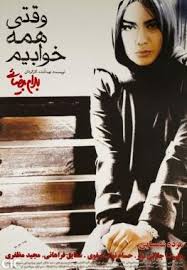
وقتی همه خوابیم آخرین فیلم بلند بهرام بیضایی است؛ فیلمی دربارهی خودِ سینما، تولید، و نسبت قدرت با روایت. این اثر در سال ۱۳۸۷ ساخته و در ۲۰۰۹ نمایش داده شد.
When We Are All Asleep is When We Are All Asleep,Vaqtī hamah khābīm the final feature film by Bahram Beyzaie—a self-reflexive drama about cinema, production, and power.
روایت درهمتنیدهای از تولید یک فیلم، مناسبات پشتصحنه و تأثیر قدرت بر روایت؛ جایی که مرز واقعیت و بازنمایی مدام جابهجا میشود.
«وقتی همه خوابیم» به عنوان یکی از خودآگاهترین و چالشبرانگیزترین آثار بهرام بیضایی شناخته میشود، فیلمی که نگاهش را به درون و به سوی خود سینما معطوف میکند. این فیلم به جای دنبال کردن یک سیر دراماتیک مرسوم، تعادل شکننده بین بینش هنری، واقعیتهای تولید و ساختارهای پنهان قدرت را بررسی میکند. پیشینه بیضایی در نمایش و استورهشناسی در دقت گفتگو، صحنهآرایی و شخصیتپردازی مشهود است، جایی که هر حرکتی عمدی به نظر میرسد تا تصادفی.
آنچه فیلم را به طور خاص جذاب میکند، امتناع آن از سادهسازی مواضع اخلاقی است. سینما نه رمانتیک شده و نه محکوم شده است؛ در عوض، به عنوان فضایی مورد مناقشه که بهوسیلهی پول، اقتدار و سازش شکل گرفته است، بررسی میشود. این فیلم از بیننده صبر و تعامل فعال میخواهد، اما این توجه را با لایههایی از معنا پاداش میدهد که مدتها پس از پایان آن همچنان طنینانداز هستند. این فیلم، فیلم آسانی نیست و برای مصرف سریع طراحی نشده است، اما همچنان تأملی قدرتمند در مورد نویسندگی، مسئولیت و هزینه خلق اثر است.
An interwoven narrative about filmmaking, backstage power relations, and the shifting boundary between reality and representation.
When We Are All Asleep stands as one of Bahram Beyzaie’s most self-aware and challenging works, a film that turns its gaze inward toward cinema itself. Rather than following a conventional dramatic arc, the film explores the fragile balance between artistic vision, production realities, and hidden structures of power. Beyzaie’s background in theater and mythology is evident in the precision of dialogue, staging, and character construction, where every gesture feels intentional rather than accidental.
What makes the film particularly compelling is its refusal to simplify moral positions. Cinema is neither romanticized nor condemned; instead, it is examined as a contested space shaped by money, authority, and compromise. The film demands patience and active engagement from the viewer, but rewards that attention with layers of meaning that continue to resonate long after it ends. This is not an easy film, nor is it designed for quick consumption, but it remains a powerful reflection on authorship, responsibility, and the cost of creation.
5) نقدها و پژوهشها
- علیرضا کاوه — «تحقق تصویر مشترک» (۱۳۹۸)
برگرفته از بهرام بیضایی و «وقتی همه خوابیم»، انتشارات نیلا.
6) کتاب و منابع پژوهشی
- Bahram Beyzaie and When We Are All Asleep — Nila Publications, 2019
Edited volume of essays and interviews on the film. (لینک به صفحهی معرفی کتاب)
https://www.imdb.com/title/tt1431342/?ref_=tturv_ov_bk
بهرام بیضایی و وقتی همه خوابیم
علیرضا کاوه Alireza Kaveh Google Books
https://letterboxd.com/film/when-we-are-all-asleep/