تقسیمبندی سینمایی
تقسیمبندی سینمایی (هنر، رسانه، قالب، سبک، گونه، سنت) نیاز به مثالی دارد. یک ترکیب سه تایی از رنگها که معنیدار هم باشد میتواند به گویاییِ بحثْ کمکِ شایانی بکند.
پرچم ایران را در نظر بگیرید. آن را به عنوان یک «نماد بصری» در ذهن دارید. این نماد از کودکی به همراه سرود ملی برای شما بازتولید شده است. ماهیت نمادین بصری و همراهی با موسیقیْ هنری شدن فرایند ارتباطی شما با آن است.
پرچم را زمانی که در صف مدرسه بودهاید ممکن است بر سر چوب کبریتی تکان داده باشید. ممکن است آقایانی در خدمت سربازی پای آن و سربالا ایستاده باشند. به هنگام عبور از میدان عشرت آباد تهران آن را بر سر تیر بلندی دیدهاید. اگر قهرمان ورزشی باشید ممکن است آن را در آغوش کشیده باشید. بانوانی آنرا بهعنوان آرایش برروی صورتشان بههنگام انتخابات کشیدهاند. بر روی جنازهی کسانی پس از مرگ … اینها حضور در رسانههای مختلف هستند.
ممکن است پرچم «جنس»های مختلفی داشته باشد.کاغذی، پارچهای، نقاشی شده بر روی چوب و سنگ، اینها قالباند.
ممکن است سه رنگ پرچم و نماد میانی آن دوخته شده یا چاپی باشد، این سبک اثرست. بازتولید پرچم در ذهن و تکثیر آن به شکلِ شی یک ماهیتِ «صنعتی و تولیدی» دارد.
قالب و سبک هر دو به مشخصهای در تولید اثر اشاره دارند. سبکْ واکنشی به تعبیر «زمانه» از «واقعگرایی» است که به هنرهای دیگر هم تسری مییابد. یعنی سبک اکسپرسیونیسم در سینما در هنرهای دیگر هم وجود دارد. اما منظور از قالب انیمیشن مختص سینماست که در مقایسه با قالبهای دیگر چون مستند، داستانی، تکهای (اپیزُدیک)، مجموعه (سریال) و … قرار میگیرد.
دریافتِ پرچم به شکلی معمول فرایندی گروهی است. اگر مهاجرت کنید تعهد به پرچم دیگری برای شما ایجاد میشود و ممکن است بین این دو نسبت متفاوتی برقرار کنید. یعنی شما به تنهایی نمیتوانید برداشت شخصی از آن داشته باشید. دریافت شما از آن به منزلهی قرار گرفتن در یک گروه است حتا اگر پنهان از بقیه نمونهای از این پرچم را که نماد دیگری در میاناش درج شده، نگهداشته باشید. ممکن است در فیلمی که در زمانی غیرمعاصر میگذرد از آن یا شکل دیگری که آن را یادآوری میکند، برای نمایش دورهای تاریخی استفاده کنید. ممکن است برای آن اشک بریزید، یا زانو بزنید یا قسم بخورید و جان خود را بدهید. یا در عکسی ببینید که باد در آن میوزد و احساس غرور کنید. اینها «لحن»هایِ متفاوت حاصل از گونهها هستند.
پرچمها تنها یک سنت دارند -ترکیبی از رنگها- وگرنه، ایرانیها با فرش، کوباییها با نیشکر، برزیلیها با موز و ایتالیاییها با پیتزا پرچم درست میکردند.

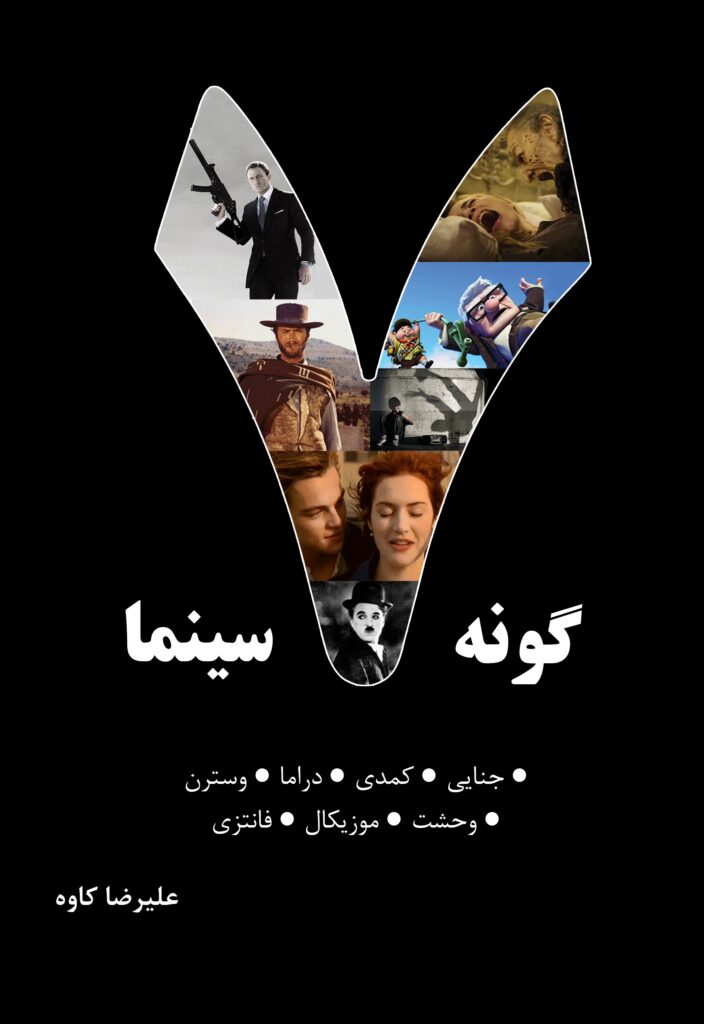
ار کتاب هفت گونه سینما نوشتهی علیرضا کاوه انتشارات روزنهکار
Cinematic Taxonomy (Medium, Style, Genre, Format, Tradition)
To illustrate how the fivefold cinematic taxonomy works, imagine a simple but meaningful visual example: a national flag. Consider the Iranian flag—not as a political symbol, but as a visual sign embedded in memory. Since childhood, you have encountered it beside the national anthem; this pairing of a visual emblem with music already turns your perception of it into an aesthetic experience.
You may have waved the flag as a child during school ceremonies. Soldiers may have stood in formation beneath it during military service. In Tehran, you might have seen it raised high above the square at Shoush or Enqelab. Athletes may embrace it after a victory; women paint it on their faces during elections; and it may cover the coffin of someone after their death. These are different media through which the same symbol appears — film, television, music videos, video games, mobile screens, and even “pre-cinematic” forms.
The flag can exist in different materials: paper, cloth, carved wood, painted stone. These correspond to format: the physical or industrial embodiment of the object. In film terms, we may not touch the material, but cinema still implies a “format”—animation, documentary, episodic structure, feature-length, experimental, and others.
The three colors of the flag — and the central emblem — may be printed, embroidered, hand-painted, or stylized. These belong to style: the expressive or aesthetic treatment. Style responds to the artistic spirit of its era (realism, expressionism, minimalism, folk stylization) and extends across art forms, not only cinema.
Format and style both describe aspects of production, yet they are distinct: style is cross-artistic; format is specific to cinema’s structural organization.
The reception of the flag is inherently collective. When you migrate, a new flag may enter your emotional life, and your relation to the two symbols becomes negotiated. In other words, a flag cannot be formed purely as an individual, private meaning. You encounter it as part of a group—national, cultural, historical—even if you personally keep a modified or alternative version of it. In cinema, this is equivalent to genre: the emotional or tonal expectation generated by shared cultural experience. A film set in a historical era may display a flag or its substitute to evoke a particular period. You might cry for it, kneel before it, swear an oath under it, sacrifice your life for it, or feel pride at the sight of it moving in the wind. These emotional registers correspond to tone, the affective dimension of genre.
Finally, flags have only one tradition: a fixed combination of colors and symbols. Otherwise, Iranians might use carpets, Cubans might use sugar cane, Brazilians bananas, and Italians pizza as national emblems. Cinematic traditions work the same way. They are tied to cultural memory and collective taste: European art cinema, Hollywood’s individualist adventure tradition, Hong Kong’s mythic combat tradition, Bollywood’s melodramatic sentimentality, and many others. Tradition is not a style or a genre; it is a deep cultural inheritance shaping how films are made and understood.