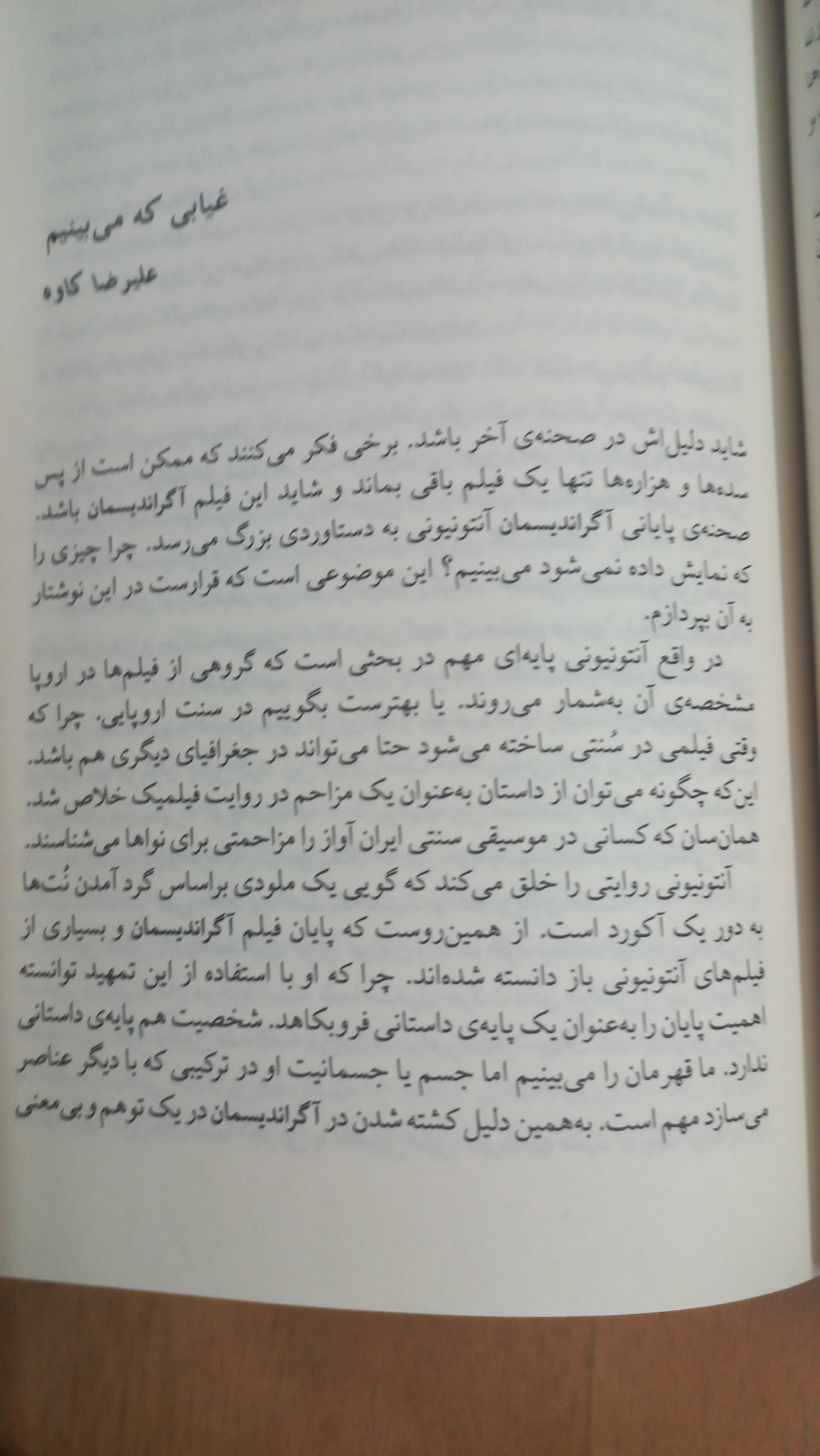
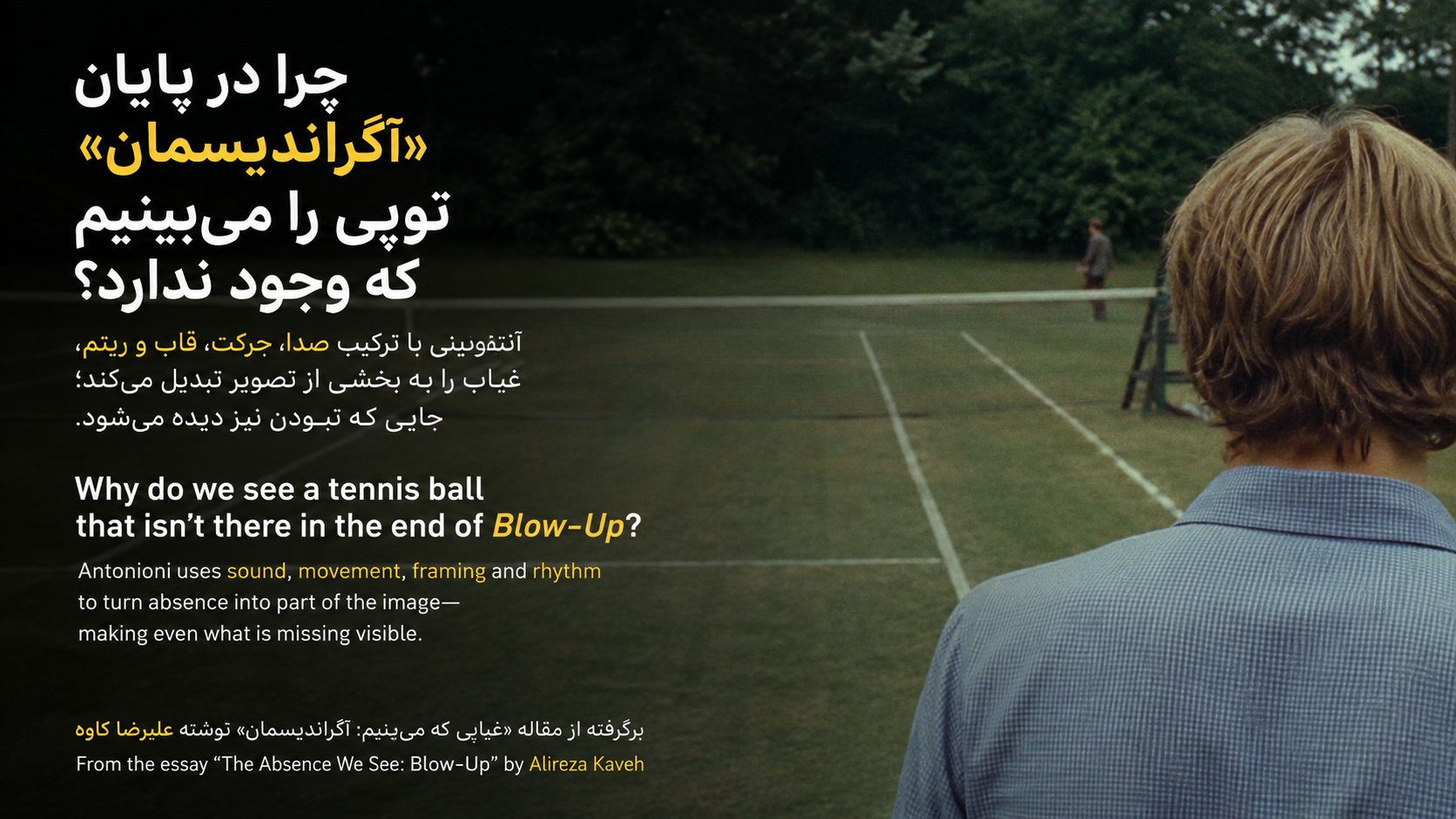
The Absence We See: Blow-Up
What remains unseen continues to inhabit the cinematic image.
This essay examines the celebrated final sequence of Michelangelo Antonioni’s
Blow-Up (1966) while placing it within the broader cinematic vision of Antonioni.
It argues that through the interaction of sound, movement, framing, rhythm, and expectation,
Antonioni transforms absence into an essential component of the cinematic image, allowing what is unseen
to acquire a tangible presence in the viewer’s perception.
Rather than treating cinema as a mere representation of reality, the essay explores it as a medium
that constructs perception itself, blurring the boundaries between reality, memory, and imagination.
It also situates Blow-Up within Antonioni’s body of work and discusses its significance
in the evolution of modern cinematic language.
This study forms part of Alireza Kaveh’s broader research on cinematic narration, absence, and modern
narrative structures in European cinema. Alongside his studies on fragmented and puzzle narratives,
it contributes to an ongoing exploration of new forms of cinematic storytelling.


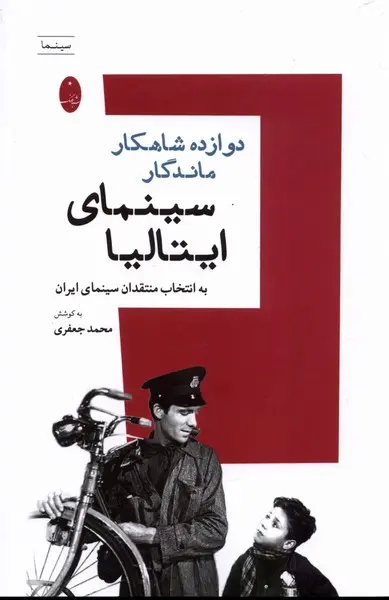
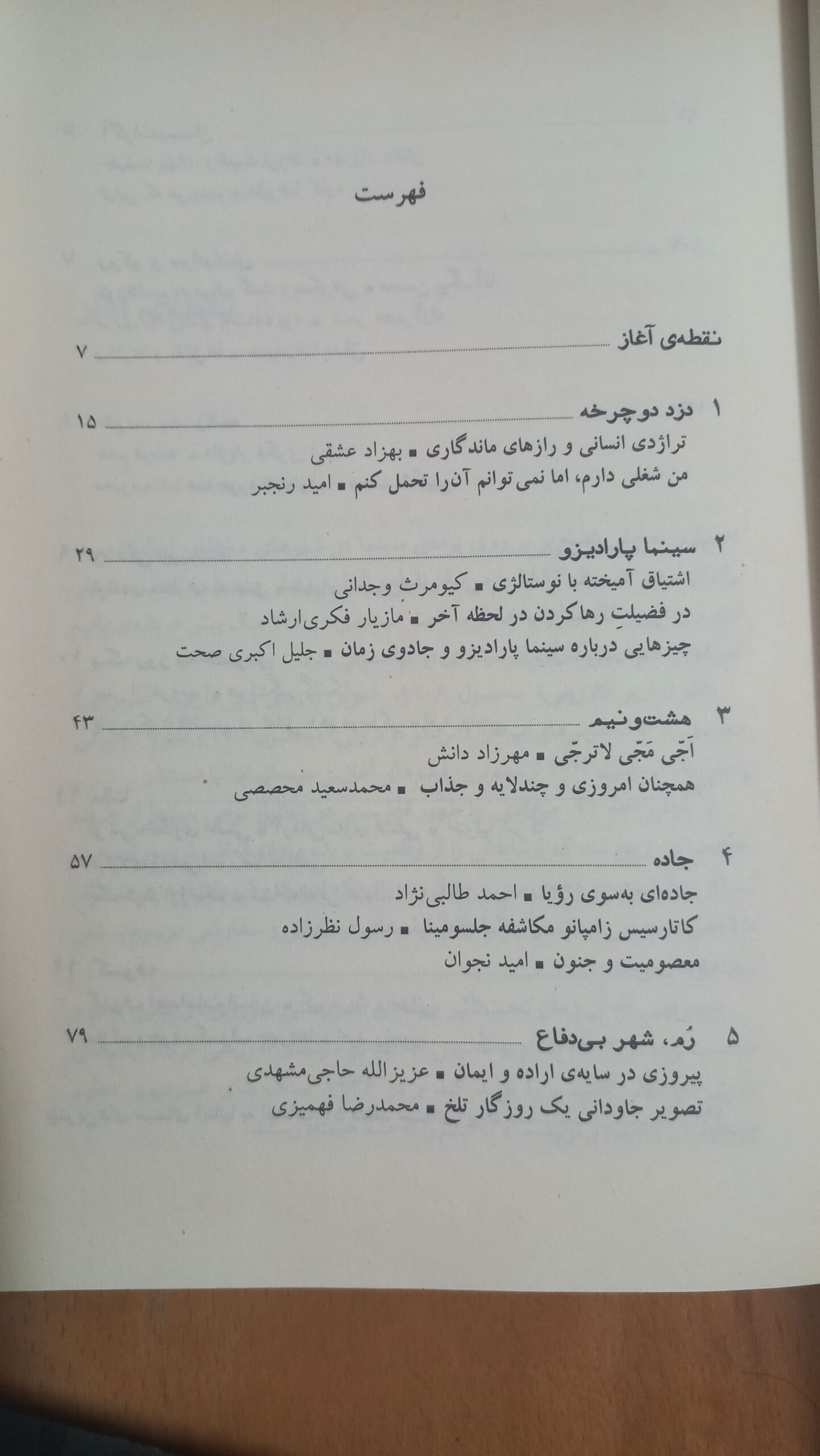 فهرست کتاب
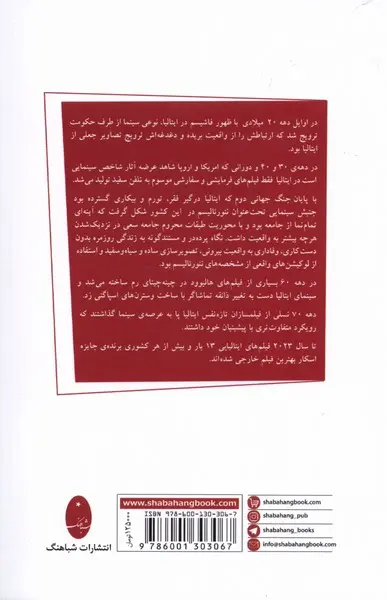
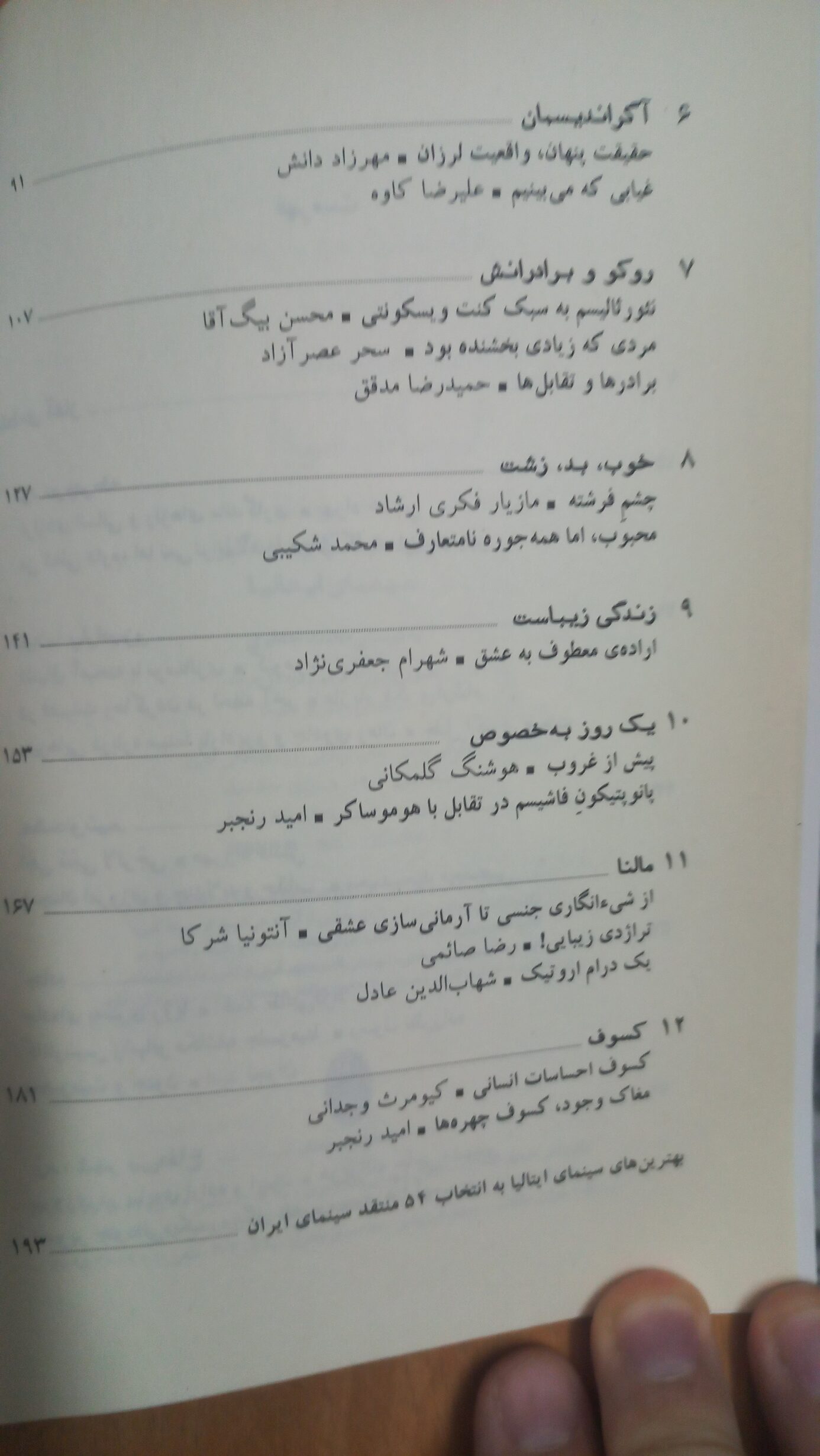 فهرست / صفحه دوم